
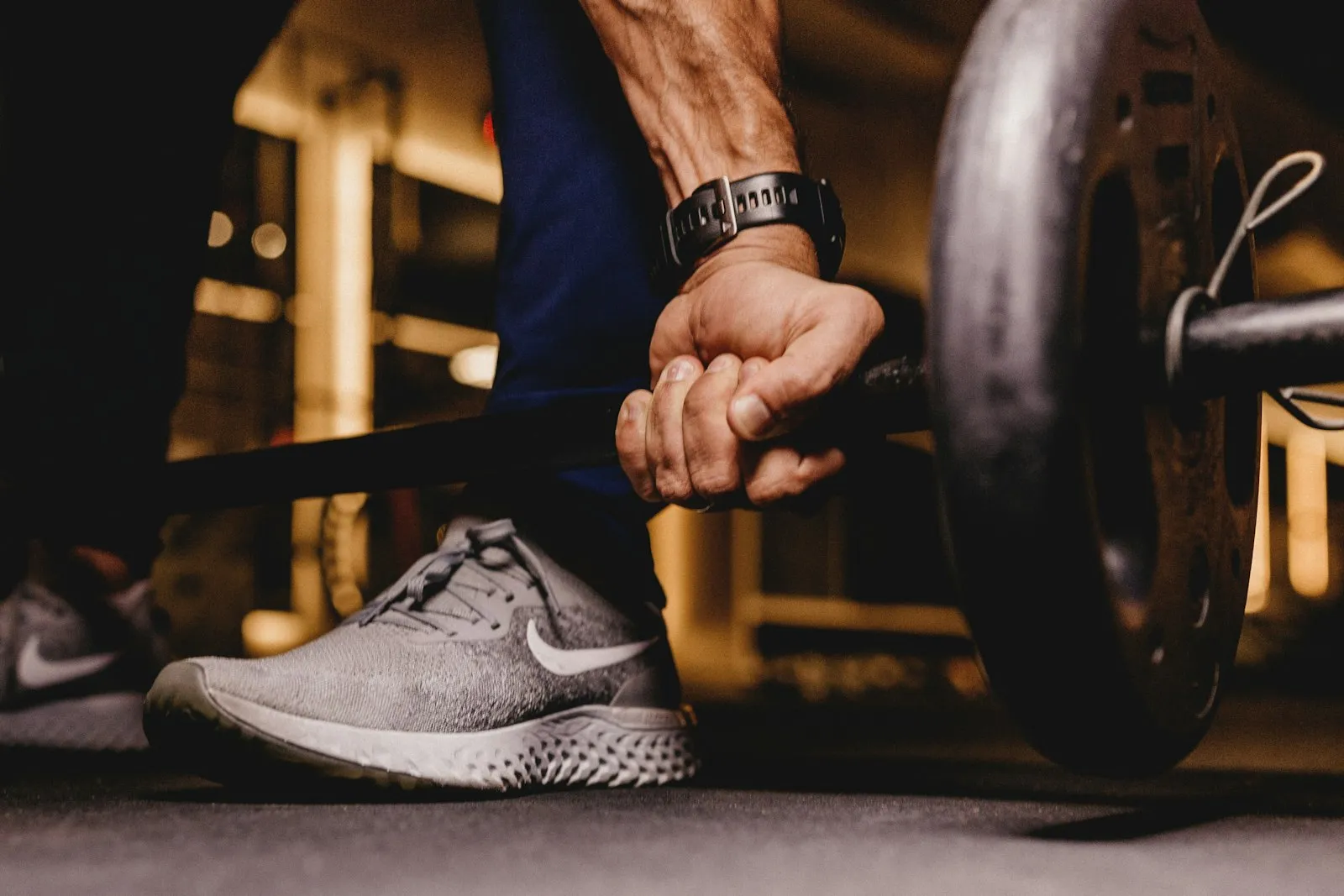
Plenty of people assume that lifting weights is for the young, and that after 50 you should take it easy. It is one of the most costly fitness myths there is. Done properly, strength training after 50 is not just safe. It is one of the single best things you can do for your health and independence.
Why it matters more, not less, after 50
From around your 30s onward, you naturally lose muscle and strength each year, and it speeds up with age. Left unchecked, that is what makes everyday tasks harder, balance worse and injuries more likely later in life.
Strength training directly reverses this. When you load your muscles in a controlled way, your body responds by building them back. It is the closest thing there is to turning back the clock on how your body moves and feels. The earlier you start the better, but the good news is that the response works at any age.
The benefits go well beyond muscle
Strength training in your 50s, 60s and beyond delivers:
- More muscle and strength, so daily life feels easier
- Stronger bones, which lowers the risk of fractures
- Better balance and coordination, which helps prevent falls
- More energy and better mobility
- The confidence and independence to stay active for decades
Bone density, balance and staying independent
Two of the biggest concerns as we age are brittle bones and losing our footing. Strength training helps with both at once.
Loading your bones through resistance work signals them to hold on to density, which is one of the best defences against fractures. At the same time, stronger legs, hips and core give you a steadier base. That means better balance, quicker reactions if you stumble, and a far lower chance of a serious fall.
Put simply, the strength you build in the gym is what lets you carry your own shopping, climb stairs with ease, get up off the floor unaided and keep doing the things you love on your own terms. Independence is the real prize here, not just how you look.
But is it actually safe?
Yes, when it is done sensibly. The risk does not come from lifting weights. It comes from lifting with poor technique, jumping in too hard, or ignoring your body. With proper coaching and gradual progression, strength training is remarkably safe, and gentler on your joints than many people expect.
A quick word on your health
Before you start, a sensible piece of advice. If you have a medical condition, are on regular medication, or have been inactive for a long time, check with your doctor first and get the all clear. This is general guidance, not medical advice, and your doctor knows your history. Once you have that green light, a good coach can build a plan around anything you need to work around. If you have a condition, we always work in line with guidance from your doctor.
How to start the right way
- Start where you are. There is no need to be fit first. A good coach meets you at your level.
- Learn proper technique early. This is what keeps you safe and makes progress fast.
- Progress gradually. Steady, sensible increases beat doing too much too soon.
- Recover well. Recovery takes a little longer after 50, and a good plan builds that in.
This is exactly what our over-40s and senior personal training is built around: rebuilding strength safely, at a pace that respects how your body recovers.
Why technique and supervision matter so much
If there is one thing that separates safe, effective training from the kind that causes aches and setbacks, it is technique. Good form spreads the load across the right muscles and keeps your joints in safe positions. Poor form does the opposite, and it is the main reason people get hurt.
This is where a coach earns their keep. A good coach watches every rep, corrects small faults before they become habits, and adjusts the weight so it is challenging but never reckless. You are never guessing whether you are doing it right. For anyone starting later in life, that supervision is not a luxury. It is the fastest and safest way to build real strength.
Working around existing aches and conditions
Very few people arrive at 50 with a completely clean bill of health. A cranky knee, a stiff shoulder, an old back niggle. These are common, and they are not a reason to avoid strength training. In many cases, careful strength work is part of the solution rather than the problem.
The key is to train around the issue, not through pain. A coach can swap in movements that feel comfortable, adjust the range you work through, and gradually rebuild strength in the areas that need it. Over time, many people find that the aches they worried about actually settle down as the muscles supporting those joints get stronger.
What your first few weeks look like
If you have never trained before, the start is calmer than you might expect.
- Sessions one to two: We get to know your body, your history and your goals, then practise the basic movements with light resistance so the patterns feel natural.
- Weeks one to two: You build confidence with the core exercises. Weights stay modest while your technique settles in and your body adapts.
- Weeks three to four: As movements feel comfortable, we start nudging the challenge up in small, sensible steps. This is usually when people begin to feel stronger and more energetic in daily life.
There are no heroics and no soreness that stops you living your life. Just steady, guided progress you can feel.
It is never too late
The body responds to strength training at any age. People starting in their 50s, 60s and even 70s build real, meaningful strength. The only mistake is waiting longer.
Start with a trial
The safest way to begin is with a coach guiding every step. Your first session at Flex Fitness is a no-obligation trial.
Book your trial and feel years younger in how you move.